Source salicylic acid niacinamide face cream for Acne, Aging, and Brightening
Explore 30 listings of salicylic acid niacinamide face cream designed for acne treatment, anti-aging, and skin brightening. Buyers can compare formulations, certifications, and customization options from verified manufacturers in Guangdong.
Key considerations
Products List


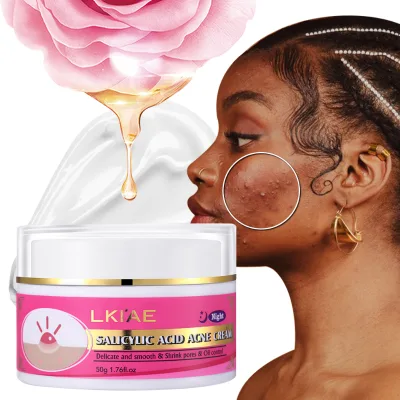
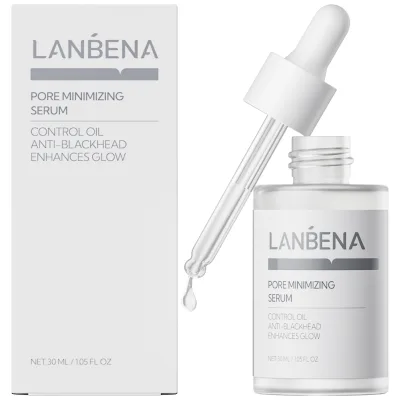

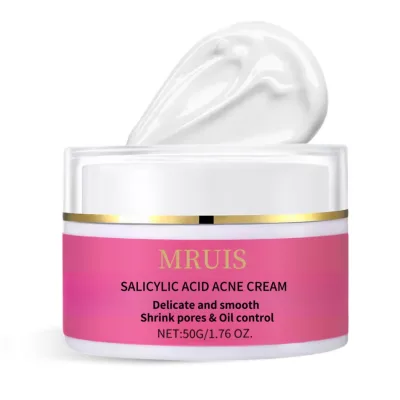
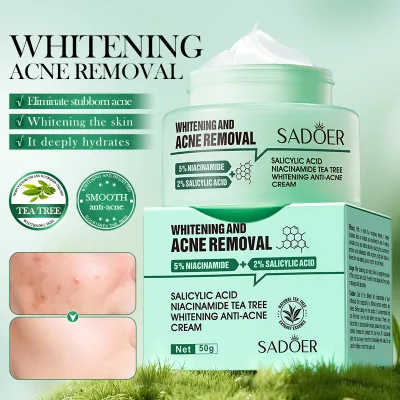
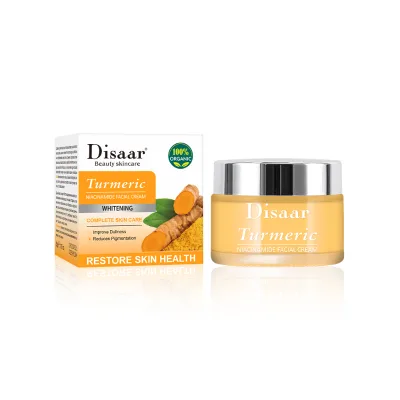
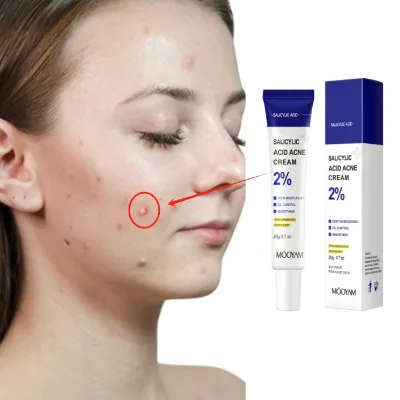
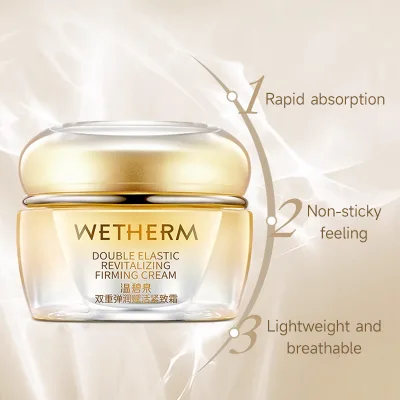


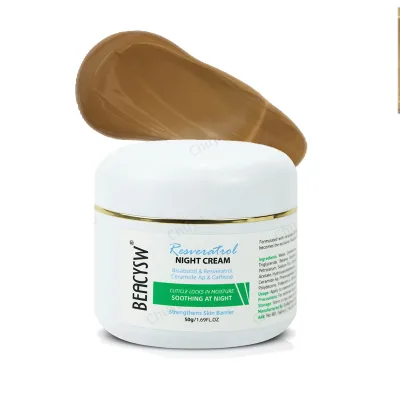




Comprehensive Sourcing Guide
Strategic Sourcing Guide for Salicylic Acid and Niacinamide Face Creams
Understanding Product Formulation and Key Ingredients
When sourcing face creams that combine salicylic acid and niacinamide, buyers must first recognize that these ingredients serve distinct but complementary functions in skincare formulations. Salicylic acid is a beta-hydroxy acid (BHA) known for its ability to penetrate oil-filled pores, making it a critical component for acne treatment and exfoliation. Niacinamide, a form of vitamin B3, is widely utilized for its skin-brightening, barrier-strengthening, and anti-inflammatory properties. The synergy between these two ingredients is particularly valuable for addressing hyperpigmentation, reducing the appearance of dark circles, and managing acne-prone skin types.
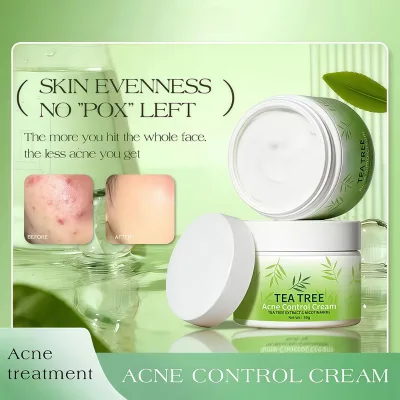
Based on observed market data, successful formulations often include a diverse range of supporting ingredients to enhance efficacy and user experience. Common observations in the current supply chain indicate the presence of moisturizing agents such as glycerin and hyaluronic acid, which help counteract the potential drying effects of salicylic acid. Additionally, ingredients like aloe vera, collagen, and snail mucin are frequently integrated to provide nourishing and firming benefits. Buyers should verify that the specific product listing confirms the presence of salicylic acid and niacinamide as primary active ingredients, as some listings may feature only one or rely on alternative actives like vitamin C or vitamin B5. The formulation must also be non-comedogenic to ensure it does not clog pores, a standard requirement for products targeting acne and blemish-prone skin.
Technical Specifications and Product Attributes
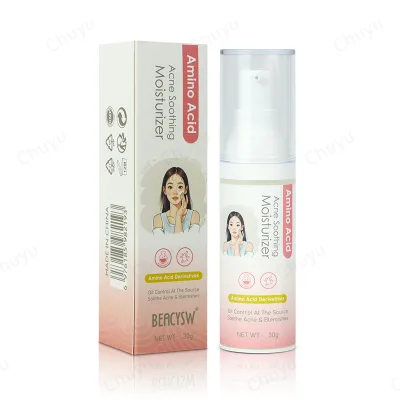
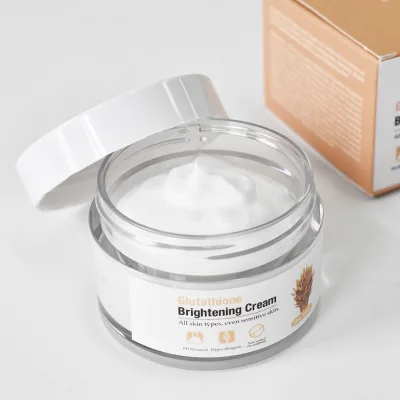
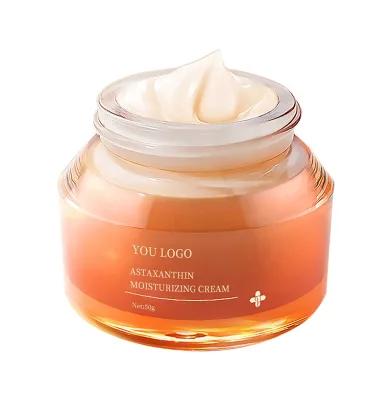
The technical profile of a salicylic acid and niacinamide face cream is defined by several critical attributes that influence both performance and regulatory compliance. Texture is a primary differentiator; while some products are formulated as light lotions, the market data indicates a strong preference for rich cream textures that provide deep moisturization. The product type is universally categorized as a facial cream, often available in standard packaging volumes such as 50g per bottle. Packaging materials typically consist of glass or plastic bottles, which are then placed into boxes for bulk shipping. For private label and OEM opportunities, the single package size often measures approximately 7.2 x 7.2 x 5 cm, with a gross weight around 0.300 kg per unit.
Color and application timing are also essential technical considerations. Most observed products in this category are white in color, designed for both day and night use, though some specific variants are marketed explicitly as night creams. The target demographic generally spans all skin types, including normal, oily, and combination skin, with a specific focus on adult users. The product model numbers vary significantly, ranging from generic ODM/OEM designations to specific identifiers like MK20251210C or "Diamond acne cream." Buyers must ensure that the selected product aligns with their specific application needs, whether for home use or professional distribution, and confirm that the "Private Label" service is available if branding customization is required.
Compliance, Certification, and Regulatory Standards
Navigating the regulatory landscape is a critical step in sourcing skincare products, particularly those containing active ingredients like salicylic acid. The supply chain data highlights several key certifications that indicate a manufacturer's adherence to quality and safety standards. Commonly observed certifications include CE, EEC, FDA, GMP, and MSDS. The presence of GMP (Good Manufacturing Practice) certification is particularly vital, as it ensures that the facility follows strict hygiene and production protocols. FDA registration or compliance is often a prerequisite for selling in North American markets, while CE and EEC marks are essential for European distribution.
Buyers should verify that the supplier can provide valid documentation for these certifications before placing an order. It is important to note that while a supplier may list these certifications, the specific batch of products must also comply with local regulations regarding ingredient concentrations. For instance, the concentration of salicylic acid is strictly regulated in many jurisdictions, and exceeding these limits can lead to product recalls. Additionally, ingredient transparency is a growing requirement. Products that are sulfate-free, paraben-free, silicone-free, and fragrance-free are increasingly in demand, as these attributes appeal to consumers with sensitive skin. The "Vegan" and "Cruelty-Free" labels also serve as significant differentiators in the current market, indicating ethical sourcing and production practices.
Cost Drivers and Pricing Dynamics
The pricing of salicylic acid and niacinamide face creams is influenced by a complex interplay of factors, including ingredient quality, packaging complexity, and order volume. The observed price range in the market spans from $0.36 to $67.03 USD, reflecting the vast diversity in product positioning from basic generic formulations to premium branded solutions. Several variables drive these costs. First, the concentration and purity of active ingredients like salicylic acid and niacinamide directly impact the base cost. Second, the inclusion of premium additives such as snail mucin, collagen, or organic extracts can significantly elevate the price point.
Packaging also plays a substantial role in cost determination. While standard plastic bottles are cost-effective, glass packaging offers a premium feel but incurs higher material and shipping costs. Furthermore, the complexity of the packaging design, such as custom printing or specialized dispensing mechanisms, adds to the unit price. Minimum Order Quantity (MOQ) is another critical cost driver. The market data shows an MOQ range from as low as 2 pieces to as high as 30,000 units. Buyers with smaller budgets may find lower MOQ options more accessible, but they often face higher per-unit costs. Conversely, larger orders typically benefit from economies of scale, reducing the unit price but requiring significant upfront capital. Buyers must balance their budget constraints with their sales projections to determine the optimal order size.
Supplier Evaluation and Service Capabilities
Selecting the right supplier requires a thorough evaluation of their capabilities beyond just product specifications. The ability to provide OEM (Original Equipment Manufacturer) and ODM (Original Design Manufacturer) services is a key indicator of a supplier's flexibility. Many suppliers in this sector offer private label services, allowing buyers to customize the product name, branding, and packaging to match their specific market needs. The availability of customization is a critical factor for brands looking to differentiate themselves in a crowded marketplace.
When evaluating suppliers, buyers should assess their production capacity and lead times. While specific lead times are not universally standardized in the provided data, the availability of stock (e.g., 5000 units available) suggests that some suppliers maintain inventory for faster fulfillment. However, for custom orders, lead times will vary based on the complexity of the customization and the supplier's current production schedule. It is also essential to verify the supplier's location, as many manufacturers are based in Guangdong, China, a major hub for cosmetic production. Buyers should ensure that the supplier has a proven track record of exporting to their target region and can handle logistics effectively. Finally, the supplier's responsiveness to inquiries and their willingness to provide samples are strong indicators of their reliability and commitment to customer service.
Quality Control and Long-Term Procurement Strategy
Implementing a robust quality control (QC) strategy is essential to ensure that the sourced face creams meet safety and efficacy standards. Buyers should request detailed product specifications, including ingredient lists, pH levels, and stability test results. The "Non-Comedogenic" formulation is a standard requirement for acne treatments, but buyers should verify this through third-party testing if possible. Additionally, the presence of certifications like GMP and MSDS should be validated with current documentation to ensure ongoing compliance.
For long-term procurement, buyers should establish clear communication channels with their suppliers to monitor product consistency and supply chain stability. Regular audits of the manufacturing facility can help identify potential risks and ensure that quality standards are maintained over time. Buyers should also consider the scalability of the supplier's operations; as the brand grows, the supplier must be able to increase production capacity without compromising quality. Finally, maintaining a diverse supplier base can mitigate risks associated with supply chain disruptions. By carefully evaluating suppliers based on their technical capabilities, compliance status, and service offerings, buyers can build a sustainable and reliable supply chain for salicylic acid and niacinamide face creams.
Comparative Analysis of Product Options
To assist buyers in making informed decisions, the following table summarizes key product attributes observed in the market. This comparison highlights the variations in ingredients, packaging, and certifications that buyers should consider when selecting a supplier.
| Attribute Category | Option A (Standard OEM) | Option B (Premium Private Label) | Option C (Basic Generic) |
|---|---|---|---|
| Key Ingredients | Salicylic Acid, Niacinamide, Vitamin C | Salicylic Acid, Niacinamide, Snail Mucin | Salicylic Acid, Vitamin B5 |
| Texture | Rich Cream | Rich Cream | Light Cream |
| Packaging | 50g Bottle in Box | 50g Glass Bottle in Box | 50g Plastic Bottle |
| Certifications | GMP, FDA, MSDS | GMP, FDA, CE, EEC | GMP, FDA |
| MOQ | 2 pcs | 50 pcs | 100 pcs |
| Customization | Full Private Label | Full Private Label | Limited |
| Target Skin Type | All Skin Types | All Skin Types | Normal/Oily |
| Price Range | Mid-Range | High-Range | Low-Range |
This comparison illustrates that while the core function of the product remains consistent, the specific attributes vary significantly. Buyers should align their choice with their brand positioning and target market requirements. For instance, a brand targeting the premium segment should prioritize Option B, which offers glass packaging and advanced ingredients like snail mucin. Conversely, a budget-conscious brand might opt for Option C, focusing on cost-efficiency while maintaining essential active ingredients. By carefully analyzing these options, buyers can make strategic decisions that optimize their product offerings and maximize market potential.
FAQs
What certifications do salicylic acid niacinamide face creams typically hold?
These products commonly hold CE, EEC, FDA, GMP, and MSDS certifications. Buyers should verify that the specific batch includes valid documentation for these standards to ensure compliance with international safety and manufacturing regulations before placing orders.
Which key ingredients are found in these facial creams?
Common ingredients include salicylic acid, niacinamide, hyaluronic acid, collagen, and snail mucin. Formulations often also contain aloe vera and glycerin to provide moisturizing benefits while maintaining a non-comedogenic texture suitable for acne-prone skin.
Can buyers customize the product packaging and branding?
Yes, customization is available through OEM and ODM private label services. Suppliers offer options to modify product names, branding, and packaging details, allowing buyers to create unique offerings for their specific market needs and brand identity.
What is the typical minimum order quantity for these creams?
The minimum order quantity ranges from 2 pieces to 30,000 units depending on the supplier. Lower MOQs allow for smaller initial investments, while larger orders often benefit from economies of scale and reduced per-unit costs.
How are these creams packaged for shipping and storage?
Products are typically packaged in 50g glass or plastic bottles placed inside boxes. Standard single package dimensions are approximately 7.2 x 7.2 x 5 cm with a gross weight of 0.300 kg per unit for efficient logistics handling.
Which skin types are suitable for salicylic acid niacinamide face creams?
These creams are formulated for all skin types, including normal, oily, and combination skin. The non-comedogenic formulation ensures they do not clog pores, making them safe for daily use by adults targeting concerns like hyperpigmentation and acne.